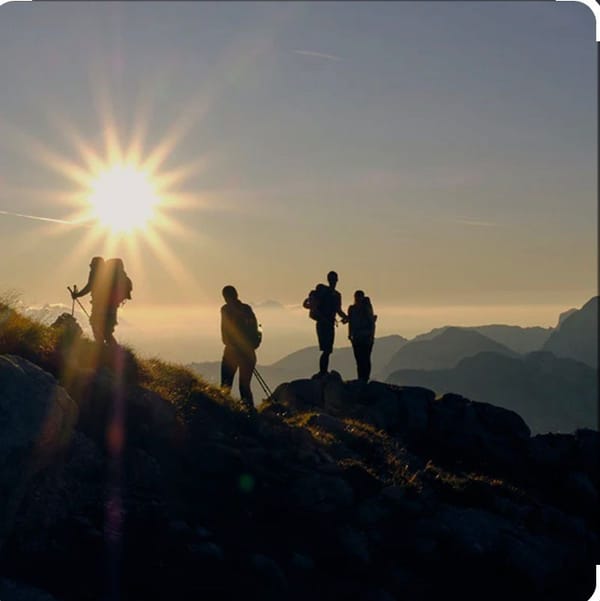
Walking into Awareness: How Hiking Encourages Environmental Responsibility
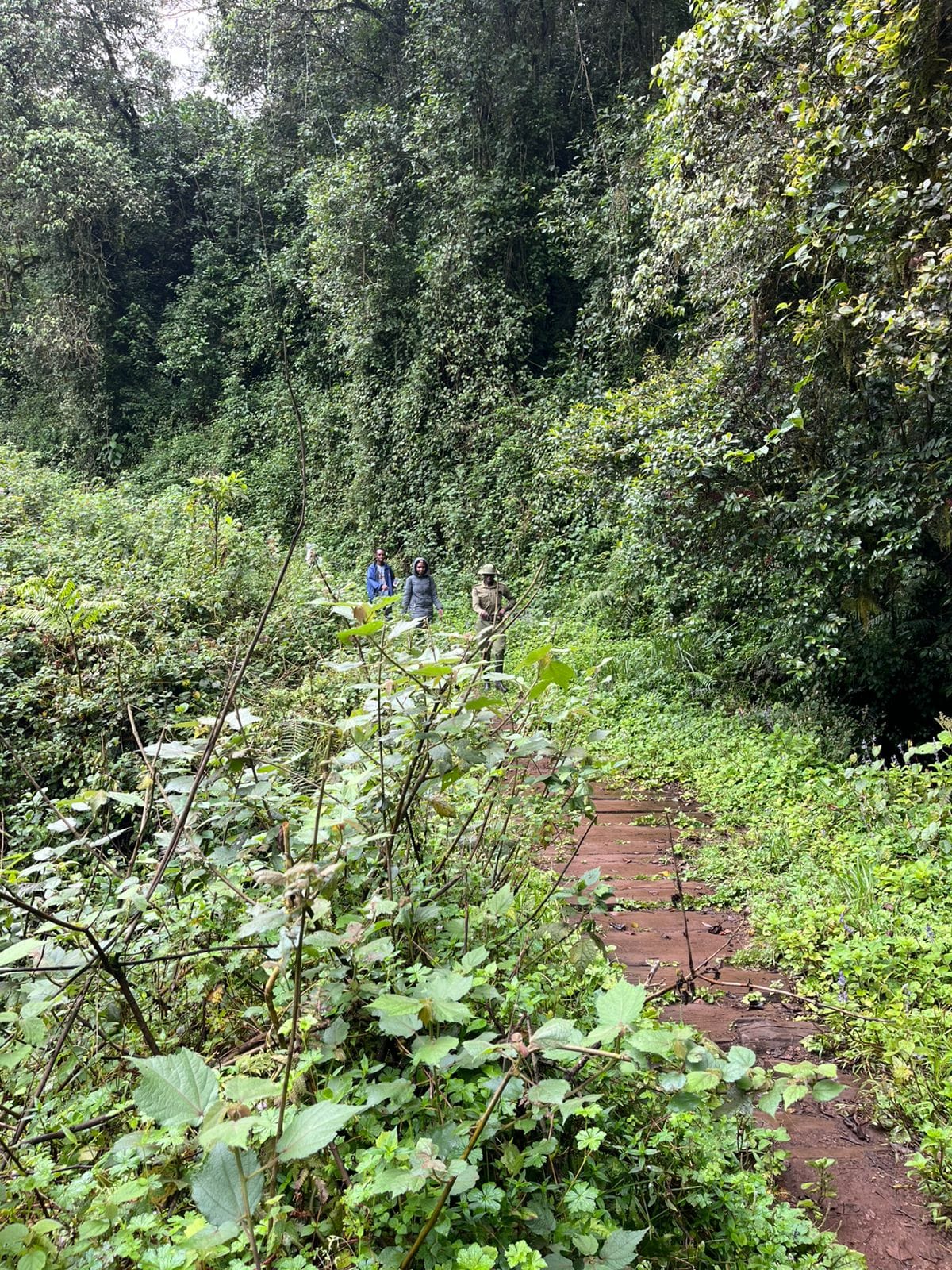
Although walking in nature boosts well-being, it also shapes broader attitudes. Because time outdoors increases understanding, respect for landscapes grows naturally. As individuals move across woodlands, trails, or protected areas, caring for the environment turns real instead of distant.
Hikers see damage caused by unlawful tree cutting, trash left behind, land washing away, or fewer natural areas. Because they observe these issues up close, awareness grows. When individuals connect with nature through personal moments, protection becomes more likely. As a result, trekking supports care for ecosystems - not loudly, yet effectively.
Still, more people using trails may damage natural areas without careful control. Littering, stepping off paths, or excessive visitors put plant and animal life at risk. When rules are missing, outdoor enjoyment might lead to environmental harm instead.
To tackle this issue, environmental bodies along with local authorities ought to fund eco-friendly path construction plus visible information boards. Outdoor clubs together with travel guides need to inform visitors about mindful trekking habits - like following "pack it in, pack it out" rules. Locally driven protection projects might include walkers in reforestation efforts or waste collection events.
Hiking links personal wellness to caring for nature. Once people see how their own health depends on healthy ecosystems, looking after the outdoors turns into a common duty. Safeguarding natural spaces means younger groups can still gain fitness, peace of mind, or balanced habitats from trail experiences.